Part hangar, part classroom, part movement, Habitat for Aviation gives young people — especially girls and others historically left out of aviation — real aircraft, real tools and real responsibility, turning curiosity into skill, confidence and careers.
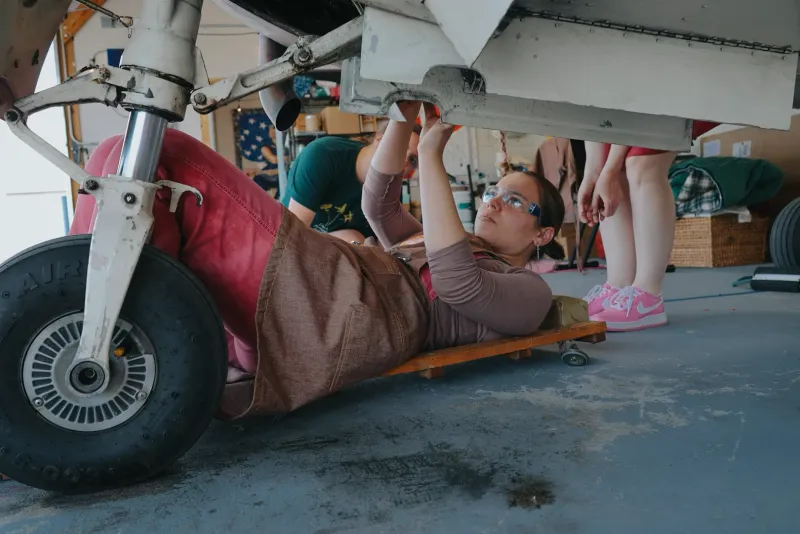
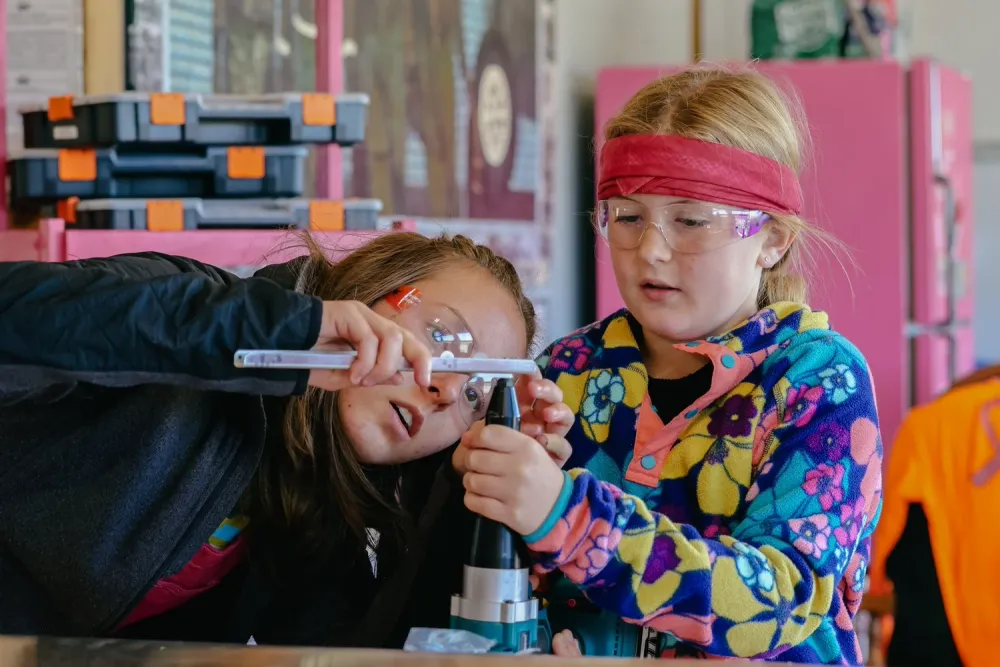
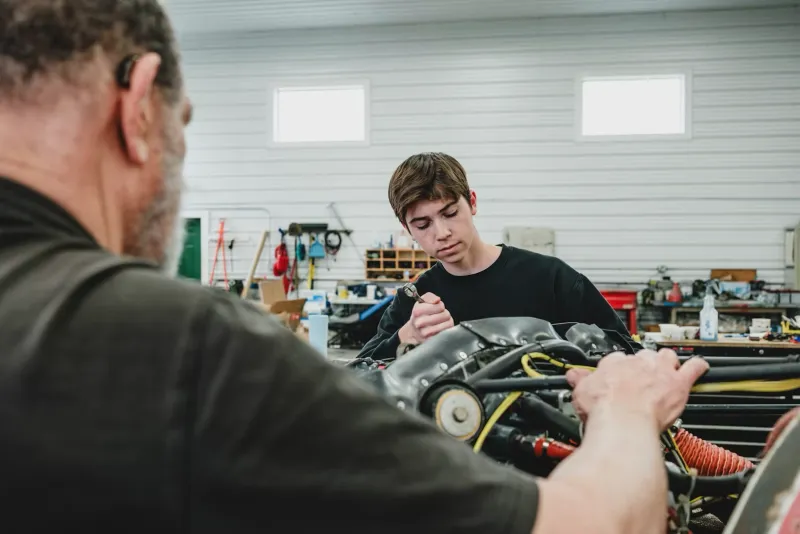
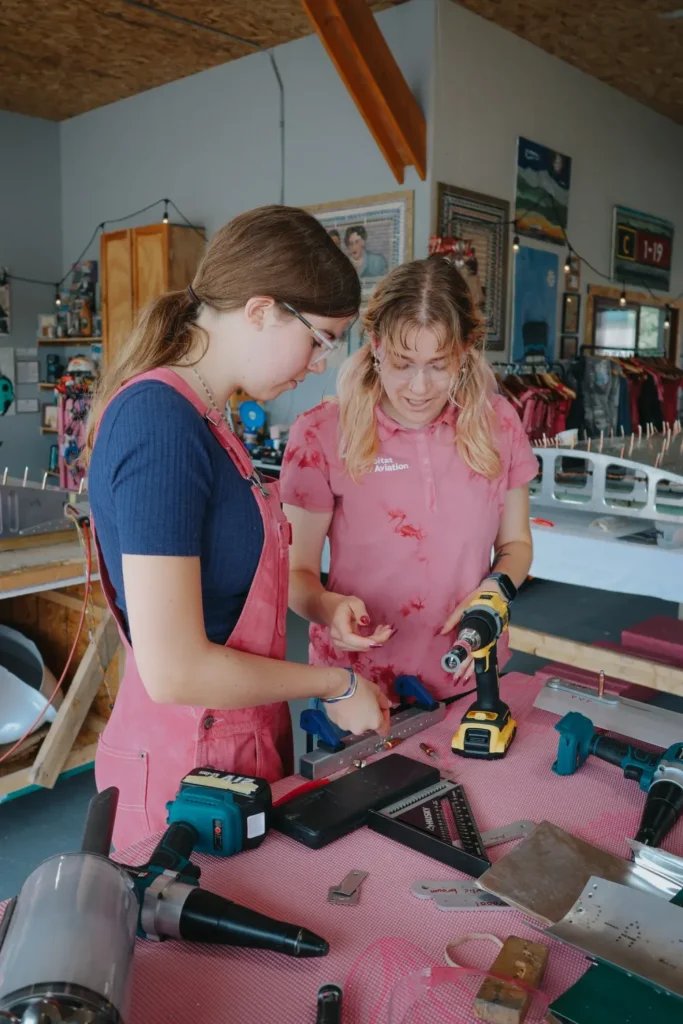
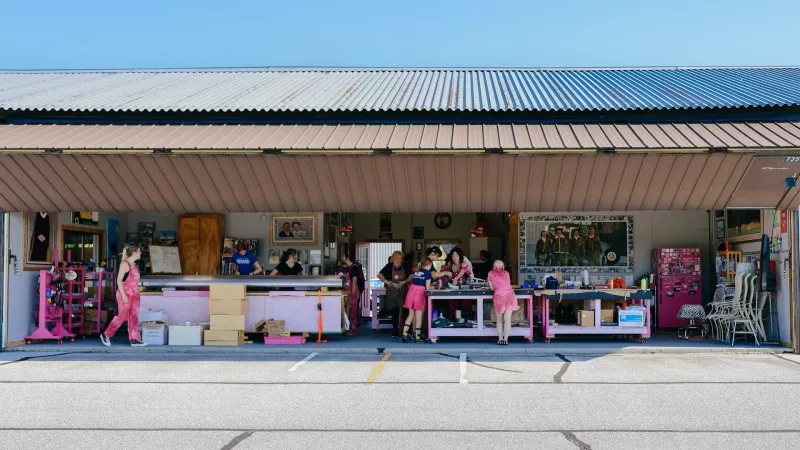
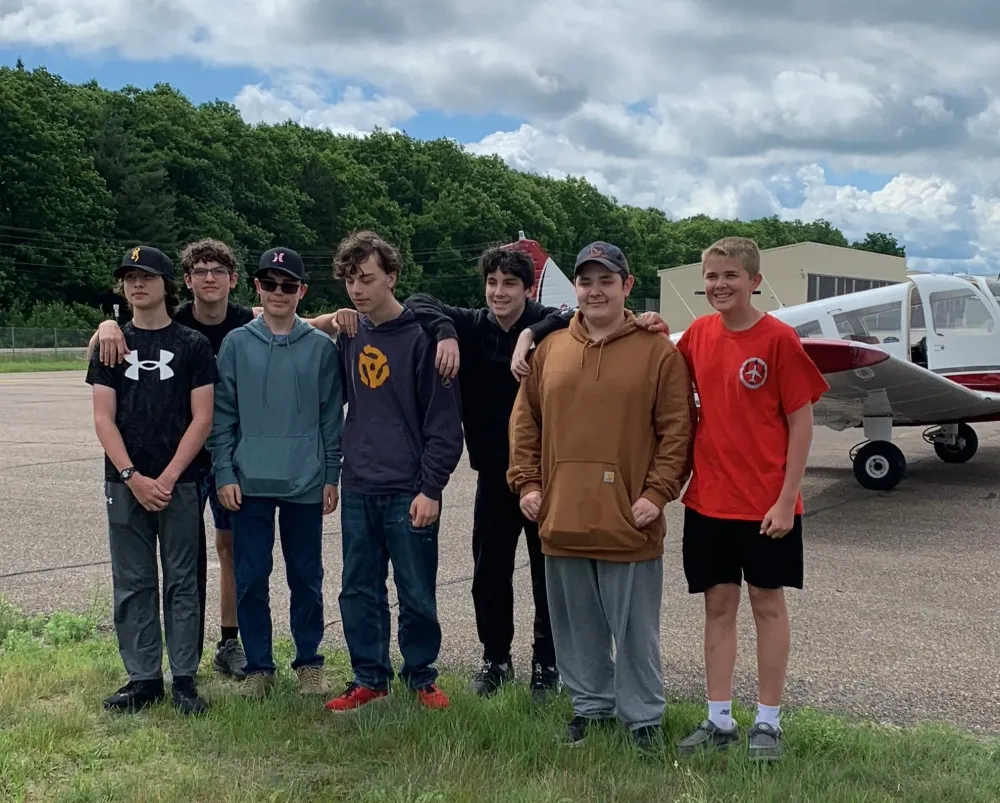
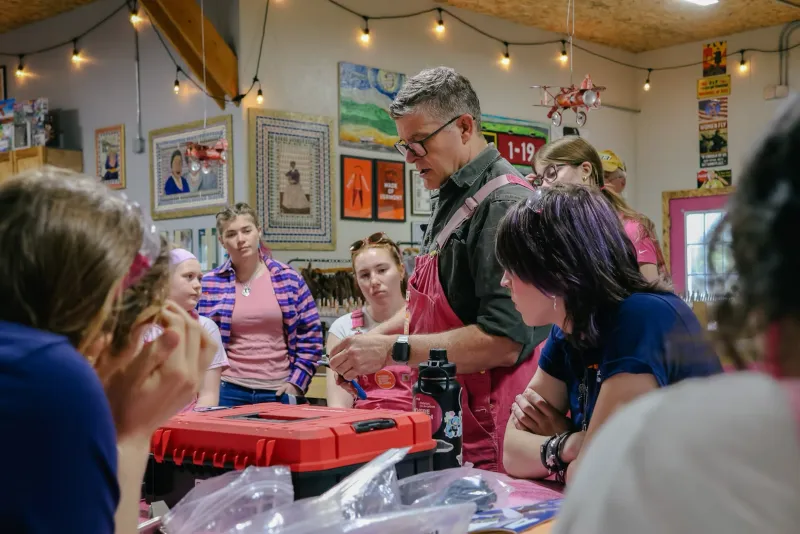
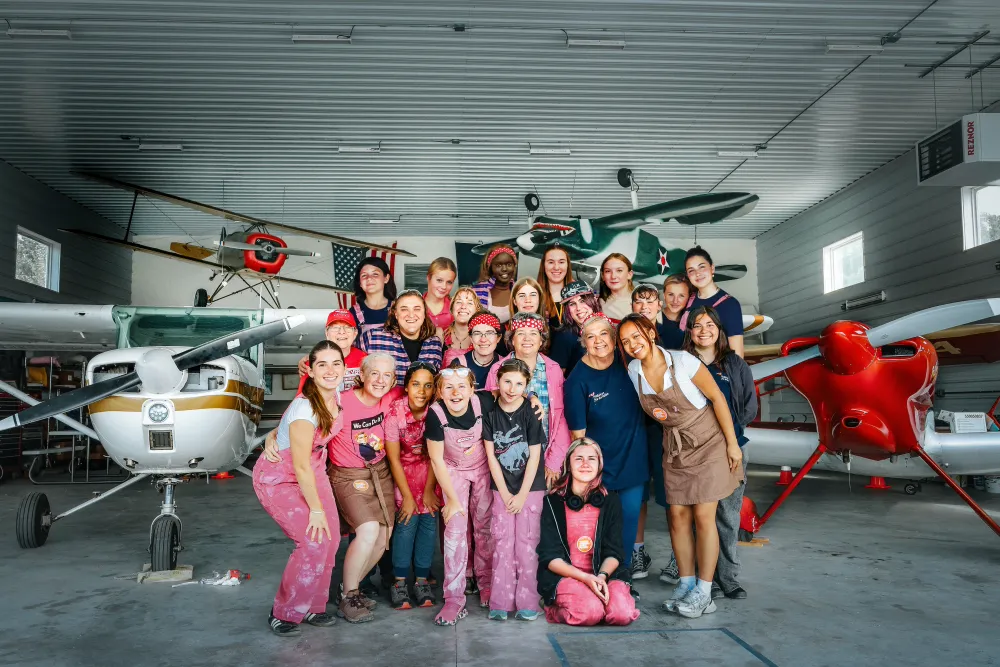
Habitat for Aviation is a women-led apprenticeship program based at the Franklin County State Airport in Vermont, where young people prepare for careers as aircraft mechanics, pilots and avionics specialists by building, repairing and ultimately flying real aircraft. With a donated 9,600-square-foot airport building as its home, participants learn alongside experienced adults in a working aviation environment rather than a simulated classroom. Through Vermont’s Flexible Pathways framework, that hands-on experience can be integrated into the school day, allowing students to earn academic credit at no cost while developing technical skill, confidence and a genuine sense of belonging in aviation.
Their Story
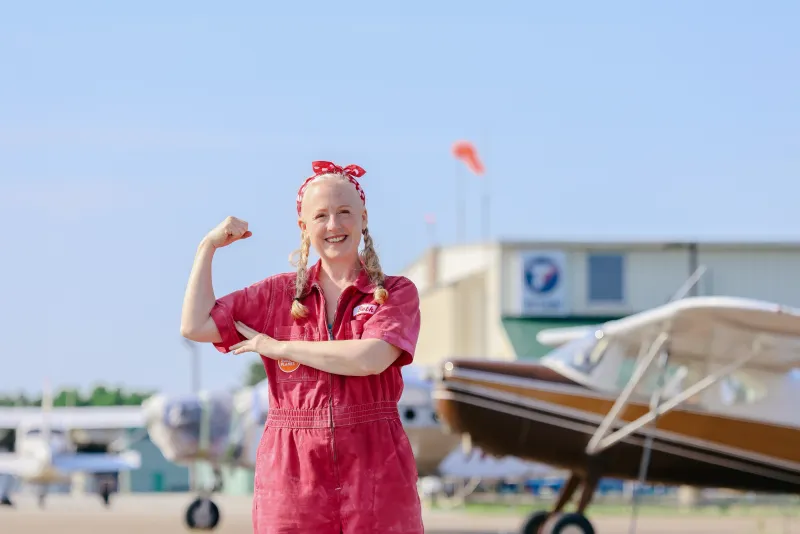
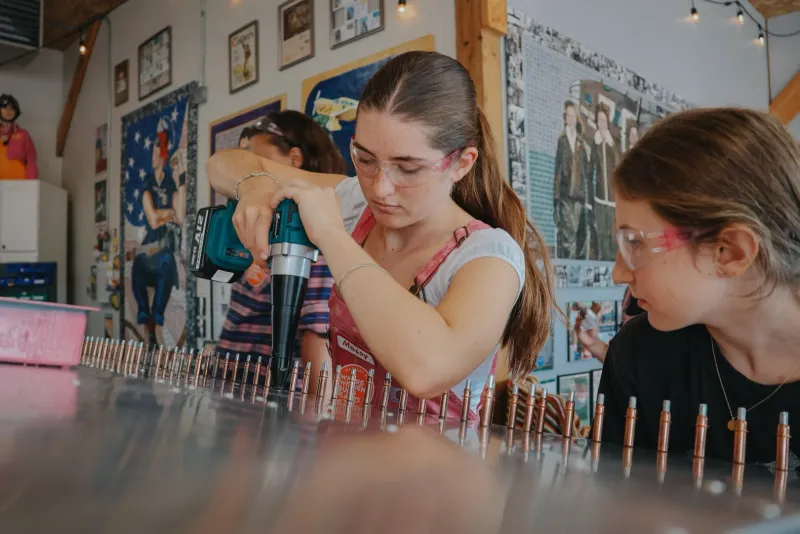
Beth White is hard to miss — part educator, part aviatrix, part modern-day Rosie the Riveter. After more than two decades in education, including work at Big Picture Learning’s flagship public high school, she came to believe that some of the most powerful learning happens when young people are trusted with real work alongside skilled adults. After surviving breast cancer, she founded Habitat for Aviation with a renewed sense of urgency: create the place she wanted young people to have — a place where they could see themselves in aviation before anyone told them they did not belong there. Today, Beth and her team even call their Women Build Planes participants the “Modern Rosies,” carrying forward the spirit of women who built, fixed and flew long before the industry made room for them.
Beth White
Director & Pilot-in-Command
“I heard too many youth say some version of, “I can’t wait until school is over so I can start living.” That broke my heart. In a rural community where many young people have never imagined aviation as “for them,” Habitat for Aviation is expanding who belongs while helping redefine what counts as school.”
1
Why they stand out
Habitat stands out because it is solving two problems at once: opening aviation to young people who might never otherwise see themselves in the field, while helping build a new pipeline into careers facing significant workforce shortages. The model is especially intentional about girls, women and others historically underrepresented in aviation. Its apprenticeship approach does not ask students to wait until graduation to encounter the real world — they work on actual aircraft, beside real pilots and mechanics, in the very environment they may one day enter professionally. And because the model connects schools, airports, industry and community partners, it has the potential to travel far beyond Vermont. As its dynamic founder says, Habitat for Aviation is transforming outdated mental models of learning, showing that you don’t have to wait to engage in relationships, relevance, and real work.
2
How they STOP for education
Habitat is profoundly Permissionless: the airport becomes the classroom, the aircraft becomes the curriculum and skilled adults become teachers.
It is Transformational because students move from learning about careers to participating in them.
It is Outstanding in the confidence, skill and social capital young people build through authentic apprenticeships and mentoring.
3
Winning their award
A $500,000 finalist award will help Habitat turn its donated 9,600-square-foot airport building into a fuller year-round learning environment, expand staffing and direct programming, and strengthen the model so more schools and aviation communities can use it. In FY2026, Habitat engaged hundreds in intensive build and college-affiliated programming; the next phase is about giving many more young people the chance to discover that they, too, belong in the hangar.