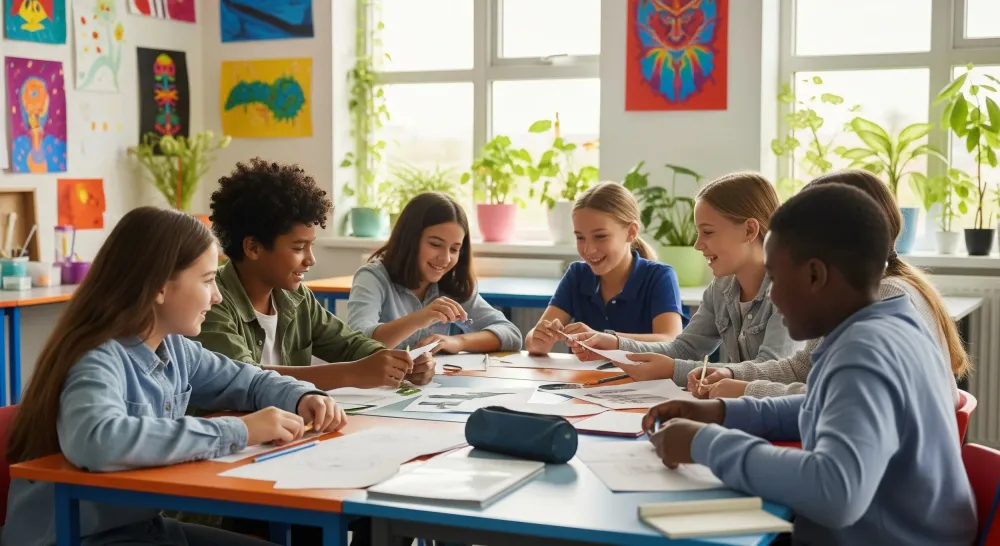
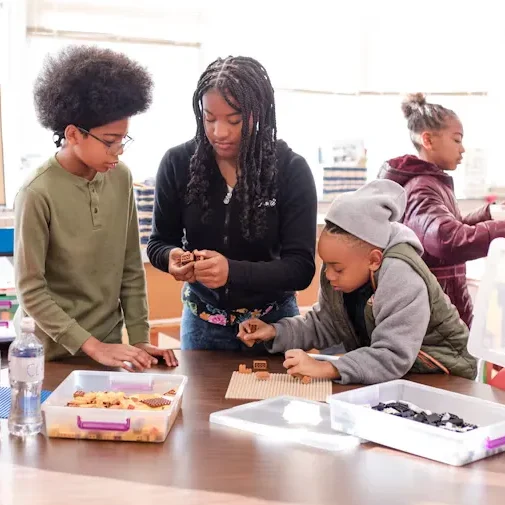
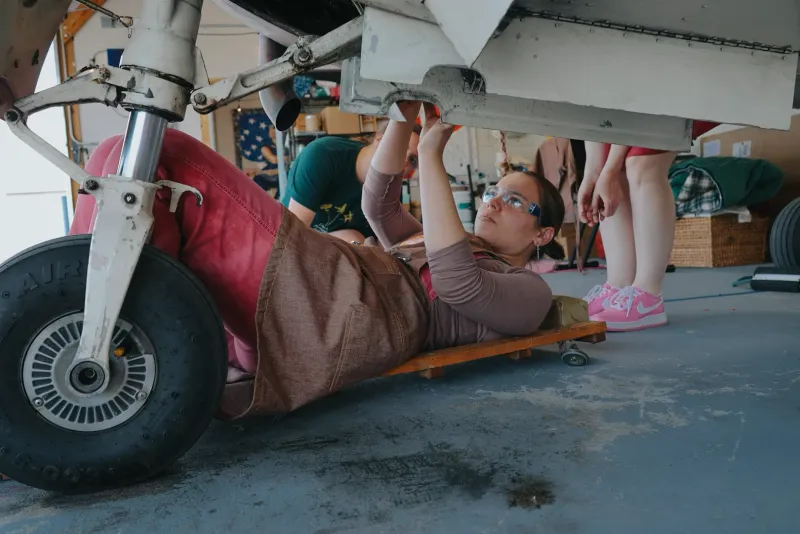
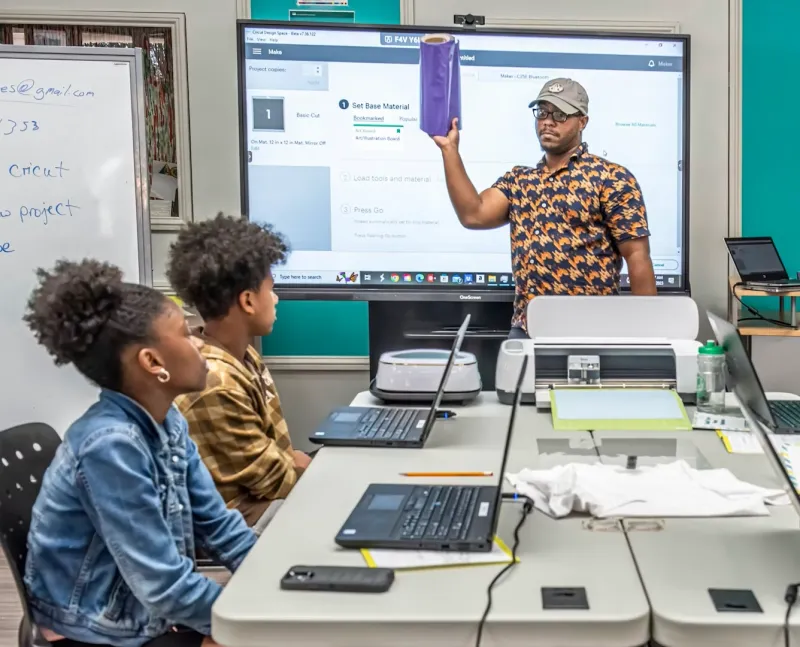
A publicly driven model of pluralistic education at its best, this microschool network creates the infrastructure for educators, schools, districts and communities to design and launch small, responsive schools built around the students and families they serve.
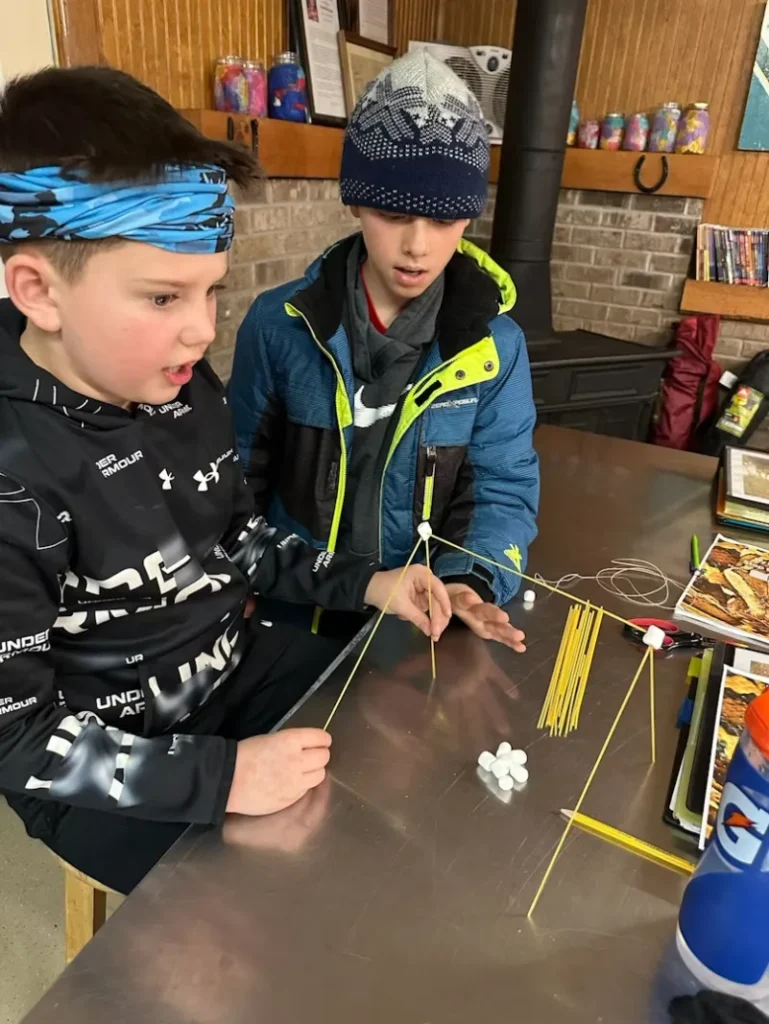
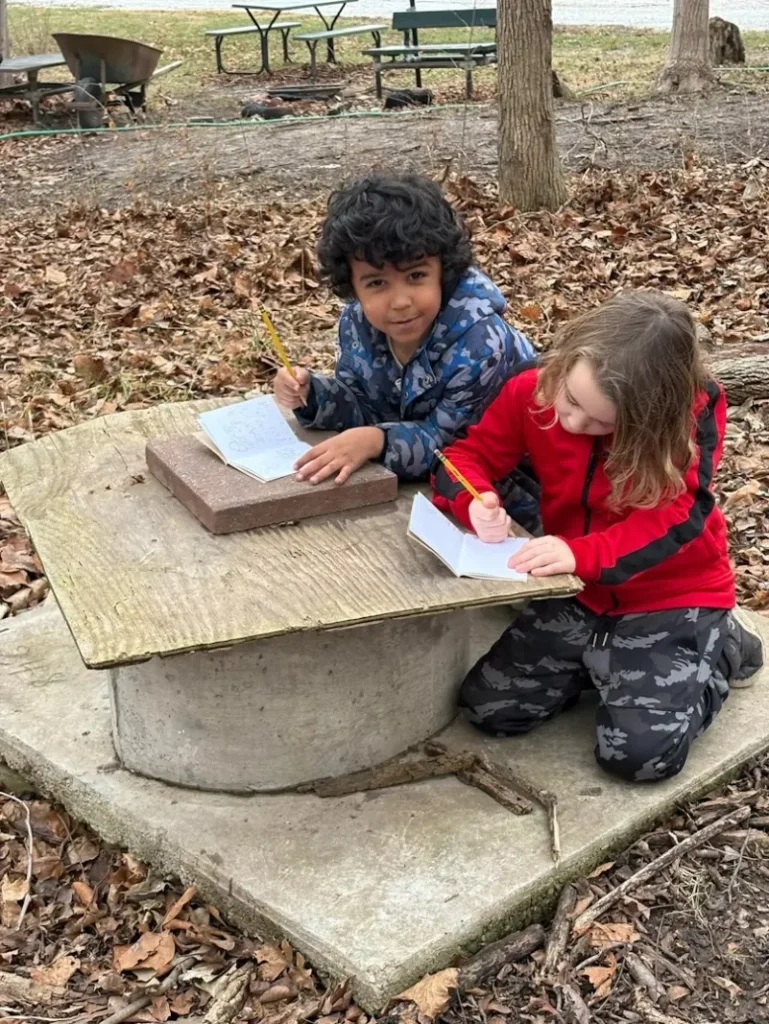
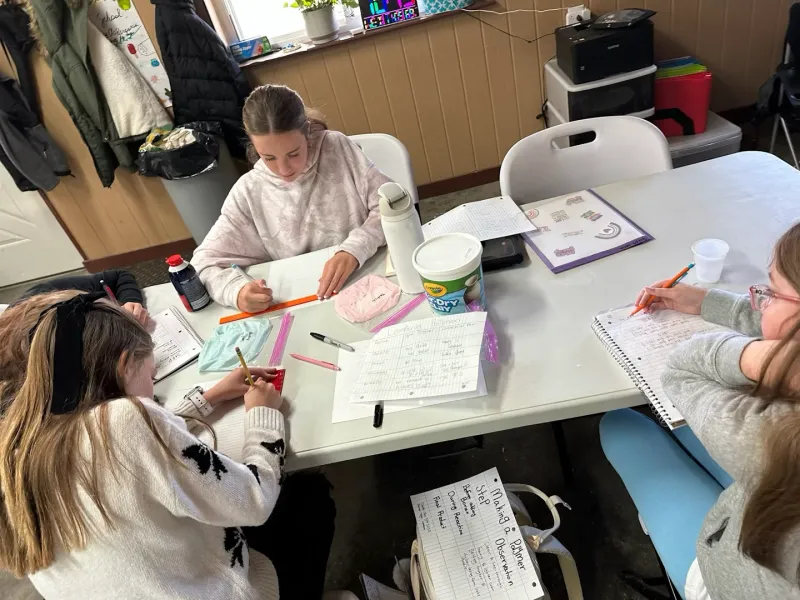
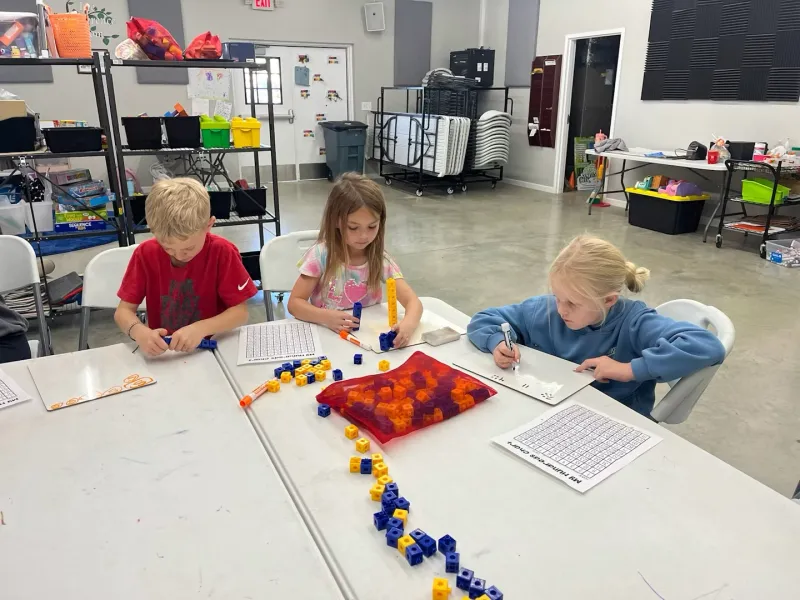
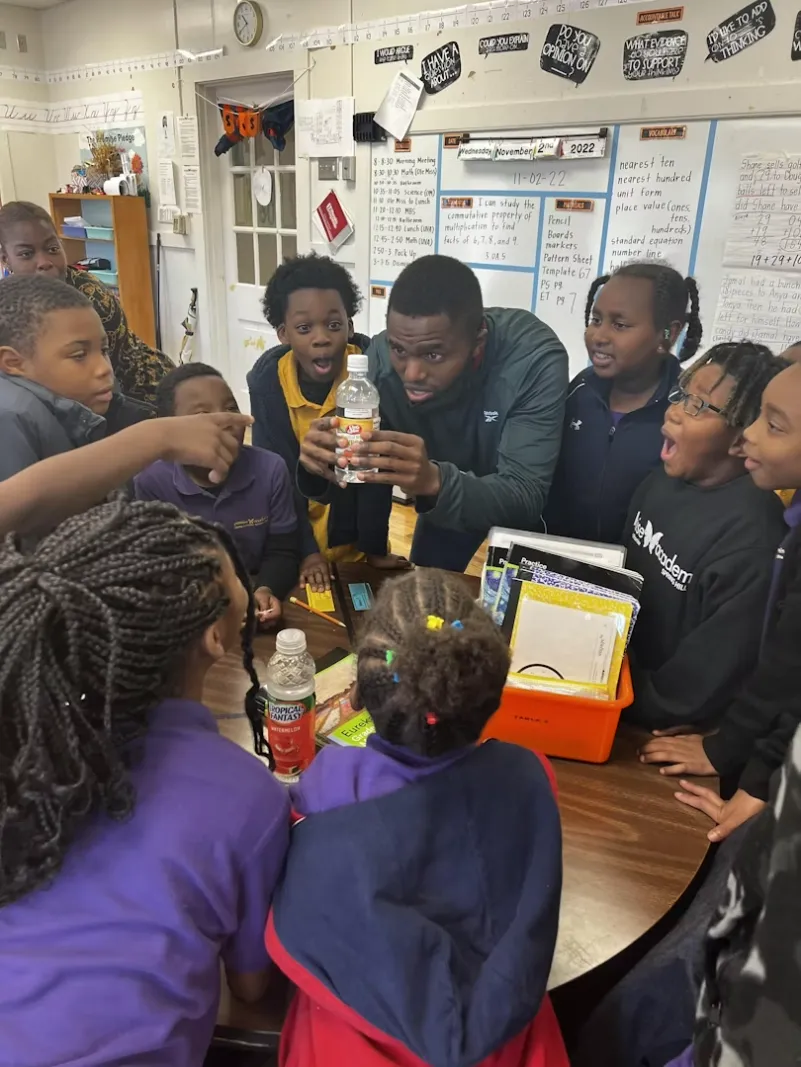
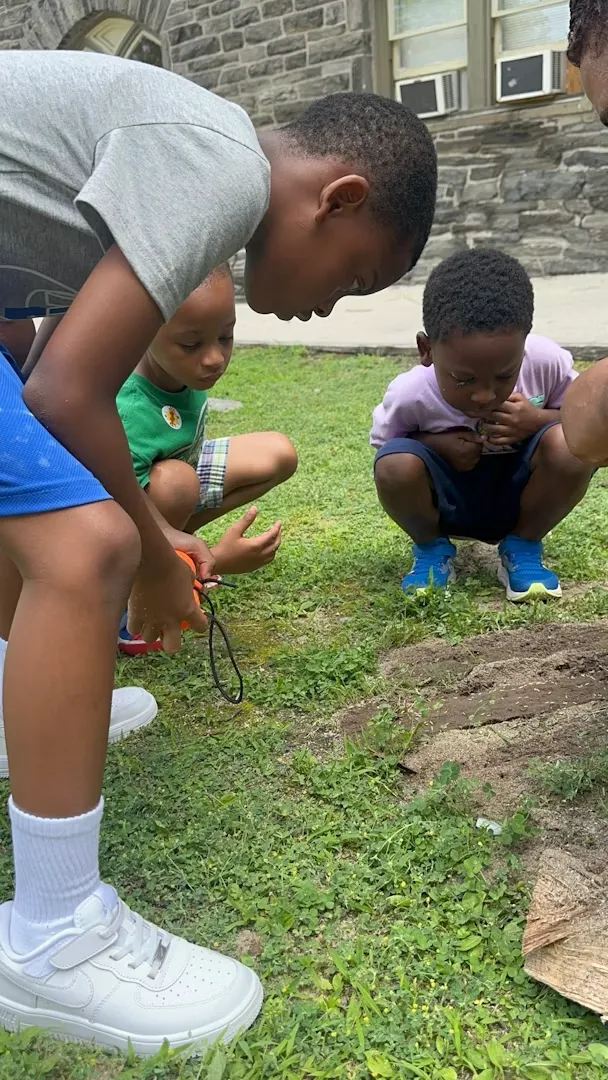
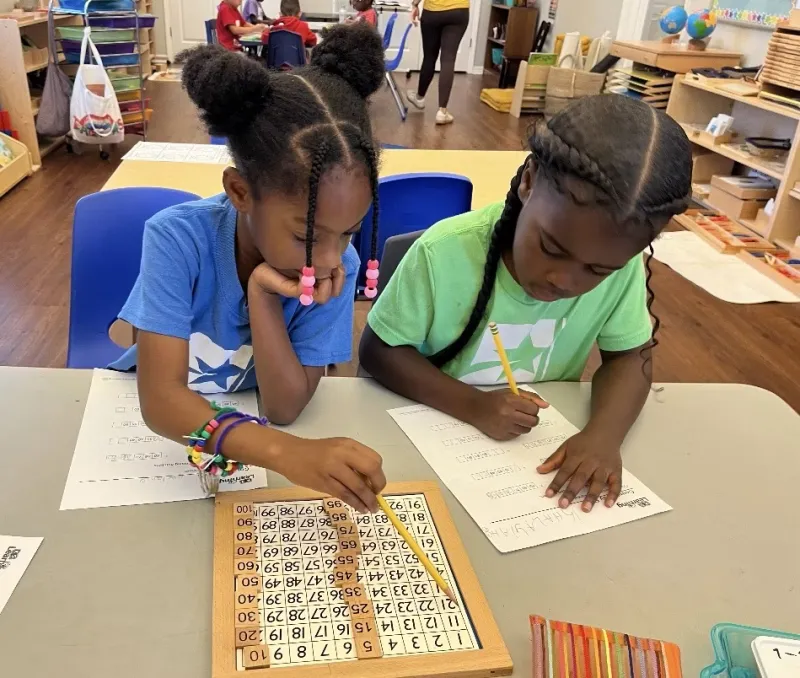
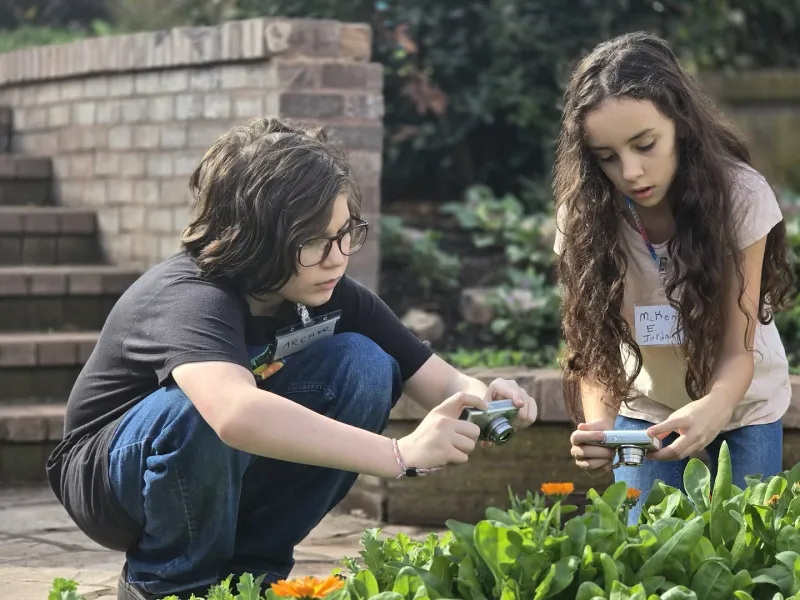
Indiana Microschool Collaborative helps communities create microschools to provide more personal and more responsive education than the traditional school models allow. Rather than imposing one school design everywhere, the Collaborative works with educators, districts, charters and local organizations to build schools that fit the students and families in each community. Students are known, teachers have greater freedom to teach differently, and communities gain new options without having to leave public education behind.
Their Story
This unique model grew from a simple recognition: families wanted more personalized options, educators wanted the freedom to build them, and communities often had the people, spaces and ideas to make them happen — but not the infrastructure to launch and sustain a school on their own. George Philhower and his team began connecting those pieces, creating partnerships that allow schools, districts and communities to design something new together. What began as a state network is now becoming a broader model for helping communities build schools around their own needs rather than importing someone else’s blueprint.
George Philhower
CEO
“I do this work because too many students experience school as something they must endure rather than a place designed for them. I have seen what is possible when students are known well, trusted, and given meaningful work and Microschool Collaborative exists to make those conditions are the norm rather than the exception.”
1
Why they stand out
What makes IMC different is the partnership model. It does not arrive with a finished school and ask communities to adopt it. It works with educators, schools, districts and communities to design the right microschool for that place. One might be university-based, another Montessori-inspired, another built around a rural community or students with learning differences. The common thread is small, highly responsive schoolsl designed around the people they serve.
2
How they STOP for education
IMC is especially Sustainable because its schools can operate with recurring public funding and shared operational support.
It is Transformational in helping districts and communities create new kinds of public-school options from within the system.
Its willingness to let local educators and communities shape each school makes the model deeply Permissionless, while its insistence that every school be designed around the students it serves makes the work Outstanding.
3
Winning their award
The $500,000 finalist award will help the Collaborative strengthen the systems, partnerships and leadership needed to launch more community-designed microschools. With 253 students already enrolled across five schools, IMC projects serving approximately 1,000–1,500 students by fall 2027 and 3,000 by fall 2028, while preserving the local character that makes each school distinct.